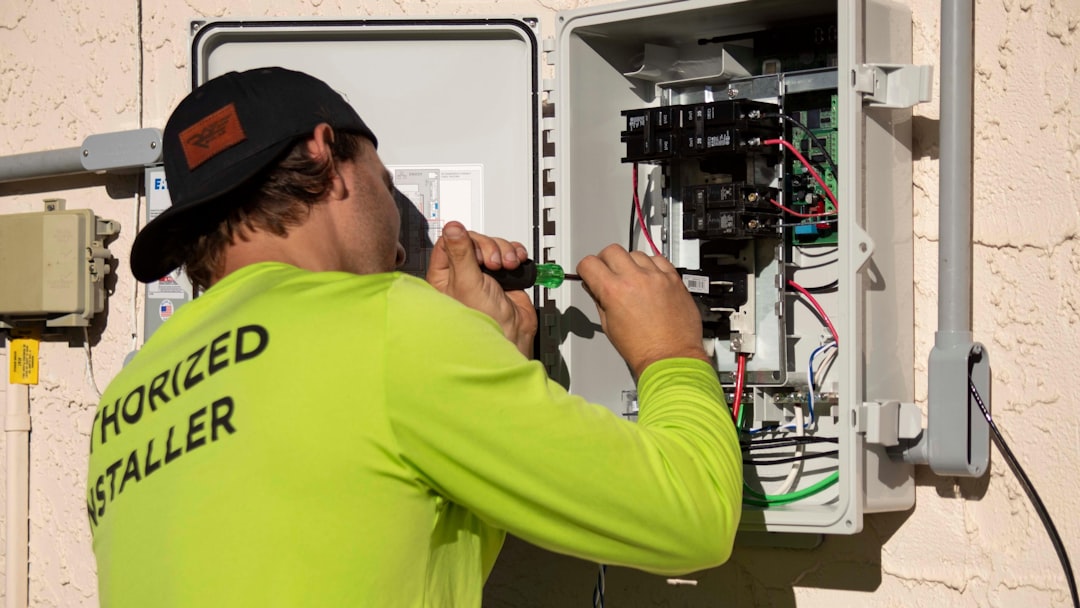
For new buyers considering going solar, understanding the basics and benefits is crucial for making an informed decision. Key considerations include evaluating your energy needs, assessing the suitability of your property for solar panels, and exploring available financial incentives and financing options. By gaining a clear understanding of these factors, new buyers can make confident choices that lead to long-term savings, energy independence, and a positive environmental impact.
Join the thousands of homeowners who have already made the switch to solar. Take control of your energy costs and invest in a sustainable future.

Solar water heating uses the sun's energy to warm water for use in homes, pools, and businesses. This eco-friendly technology reduces reliance on traditional water heating methods, saving energy and lowering utility bills. Solar water heaters typically consist of solar panels, a storage tank, and a backup heating system, providing a reliable and sustainable source of hot water. By harnessing the sun's power, solar water heating offers a cost-effective and environmentally friendly alternative to traditional water heating methods.
Photovoltaics (PV) is a technology that converts sunlight into electricity using solar cells. PV systems are a clean and renewable source of energy, reducing reliance on fossil fuels and mitigating climate change. Solar panels, the most common application of PV, can be installed on rooftops, in solar farms, or even integrated into building facades. By harnessing the power of the sun, photovoltaics provide a sustainable and abundant energy source.

EE lighting, or energy-efficient lighting, refers to lighting solutions that consume less energy while maintaining or even improving brightness. EE lighting options include LED, OLED, and smart lighting systems. These eco-friendly alternatives reduce energy consumption, lower utility bills, and contribute to a more sustainable future. By switching to EE lighting, individuals and businesses can make a significant impact on the environment.

Pool heating extends the swimming season by warming the water to a comfortable temperature. There are various types of pool heaters available, including gas, heat pump, and solar heaters. By installing a pool heater, you can enjoy your pool even in cooler weather conditions. Heated pools also provide a relaxing and therapeutic experience, perfect for unwinding after a long day.