MAINTENANCE AND MONITORING: What New Buyers Should Know


Solar installation maintenance is essential to ensure the long-term efficiency and reliability of solar energy systems. Regular maintenance activities include cleaning panels, inspecting components, and monitoring system performance to prevent issues and maximize energy production. By prioritizing solar installation maintenance, system owners can extend the lifespan of their solar panels, protect their investment, and continue to benefit from renewable energy.
Dust and Debris Removal: Solar panels can accumulate dust, dirt, leaves, and bird droppings, which can reduce their efficiency. Regular cleaning, typically every 6-12 months, helps maintain optimal performance. Use a soft brush, water, and mild soap to clean the panels, avoiding abrasive materials that can scratch the surface.
Safety: If the panels are on the roof, consider hiring professional cleaners to avoid the risk of falling or damaging the panels.

Visual Inspections: Regularly inspect the panels for any visible damage, such as cracks or discoloration, and ensure that mounting hardware is secure.
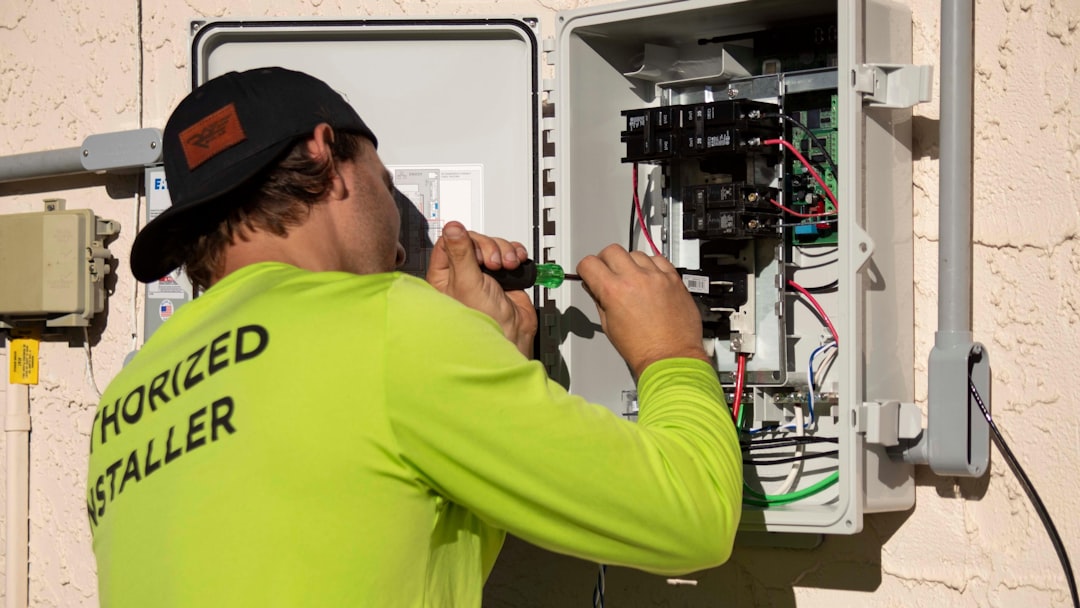
Electrical Components: Check the condition of wiring and connections to ensure there are no signs of wear, corrosion, or loose connections.
Inverter Maintenance: Inverters are critical components that convert DC electricity generated by the panels into AC electricity for household use. They may require periodic inspection and servicing, as specified by the manufacturer.

Monitoring Software: Most solar systems come with monitoring software or apps that allow you to track the system’s performance in real-time. These tools provide data on energy production, system efficiency, and potential issues.
Energy Output Tracking: Regularly check the energy output to ensure it aligns with expected performance. Significant drops in output could indicate a problem with the system.
Alerts and Notifications: Set up alerts and notifications within the monitoring system to be informed immediately of any performance issues or faults.

Scheduled Maintenance: Some solar providers offer maintenance contracts that include regular inspections and servicing. This can help ensure that the system remains in peak condition.
Troubleshooting and Repairs: Professional technicians can diagnose and fix any issues that arise, such as faults in the inverter, wiring problems, or damaged panels.

Warranty Coverage: Understand the terms of your solar system’s warranty, which typically covers panels, inverters, and other components. Keep a record of purchase dates and warranty documents.
Insurance: Check whether your homeowner's insurance covers the solar installation. If not, consider adding coverage to protect against potential damage from storms, fire, or other unforeseen events.

Snow and Ice: In colder climates, snow and ice can accumulate on panels, blocking sunlight. While panels are generally designed to withstand weight and temperatures, safely removing snow can help maintain efficiency.
Shade and Vegetation: Ensure that nearby trees and vegetation do not grow to a point where they cast shadows on the panels, as shading can significantly reduce energy production.

Technological Advancements: Stay informed about advancements in solar technology that might offer more efficient or cost-effective solutions in the future.
Battery Storage: Consider adding a battery storage system to store excess energy generated during the day for use at night or during power outages. Maintenance of batteries is also crucial to ensure their longevity and performance.