INSTALLATION PROCEDURES


Solar installations involve the strategic placement and connection of solar panels and associated components to harness sunlight and convert it into usable electricity. This process includes site assessment, system design, permitting, installation, and commissioning to ensure optimal performance and safety. By adopting solar installations, individuals and businesses can reduce their reliance on traditional energy sources, lower utility costs, and contribute to a more sustainable environment.
Before installing solar panels, evaluate your current energy consumption. Check your past utility bills to understand your average monthly energy usage. This will help you determine the size of the solar system you need.

There are various types of solar panels, such as monocrystalline, polycrystalline, and thin-film panels. Monocrystalline panels are typically more efficient but also more expensive. Polycrystalline panels are a bit less efficient but more affordable. Thin-film panels are less efficient and more suitable for large rooftops or commercial installations. Choose based on your budget and space constraints.

The placement and angle of your solar panels significantly affect their efficiency. Ensure that panels are installed where they receive maximum sunlight, ideally facing south in the Northern Hemisphere or north in the Southern Hemisphere, with minimal shading from trees or buildings.

Research the financial incentives available for solar installations in your area. These can include federal tax credits, state rebates, and local utility incentives. These incentives can significantly reduce the upfront cost of your solar system.

Solar installations can be a significant investment. Consider different financing options such as purchasing outright, leasing, or entering into a power purchase agreement (PPA). Each option has its benefits and trade-offs in terms of cost, savings, and ownership.

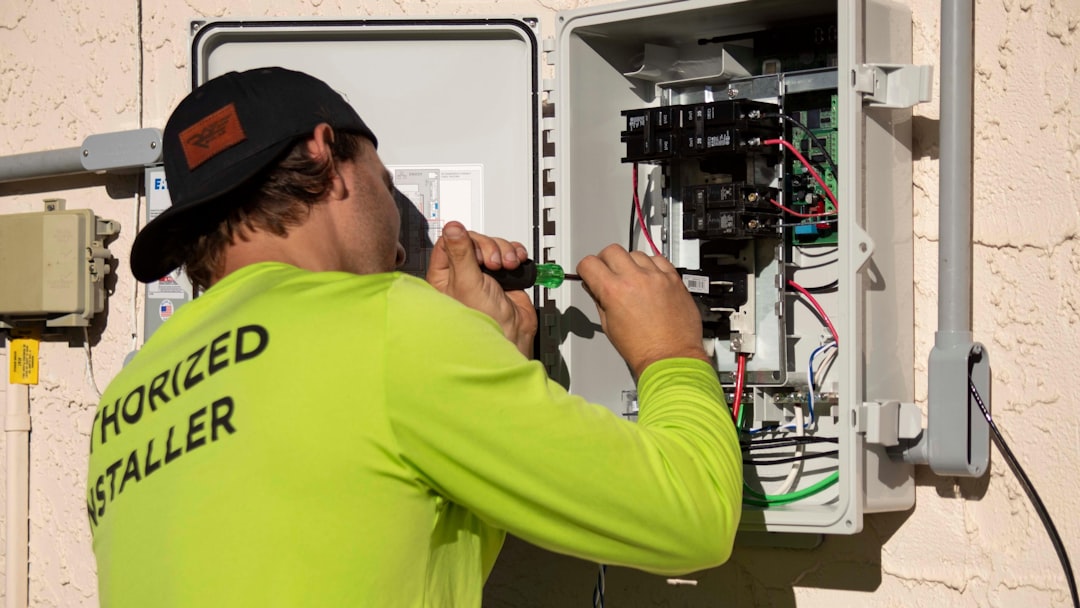
The quality of the installation is crucial for the system’s performance and longevity. Research and choose a reputable solar installer with good reviews, proper certifications, and a solid warranty. Ask for multiple quotes and compare them to ensure you’re getting a fair deal.

Solar panels require minimal maintenance, but it’s essential to keep them clean and free from debris. Regularly check the system’s performance through monitoring software provided by your installer or panel manufacturer. This will help you ensure that your system is operating efficiently and to its full potential.