PROCEDURES IN SOLAR SYSTEM DESIGN


Solar system design is a critical process that involves careful planning and engineering to create efficient and effective solar energy systems. It encompasses evaluating energy needs, site assessment, and selecting appropriate components to maximize energy production and cost savings. By understanding the key steps and considerations in solar system design, individuals and businesses can harness the power of the sun to achieve sustainable and renewable energy solutions.

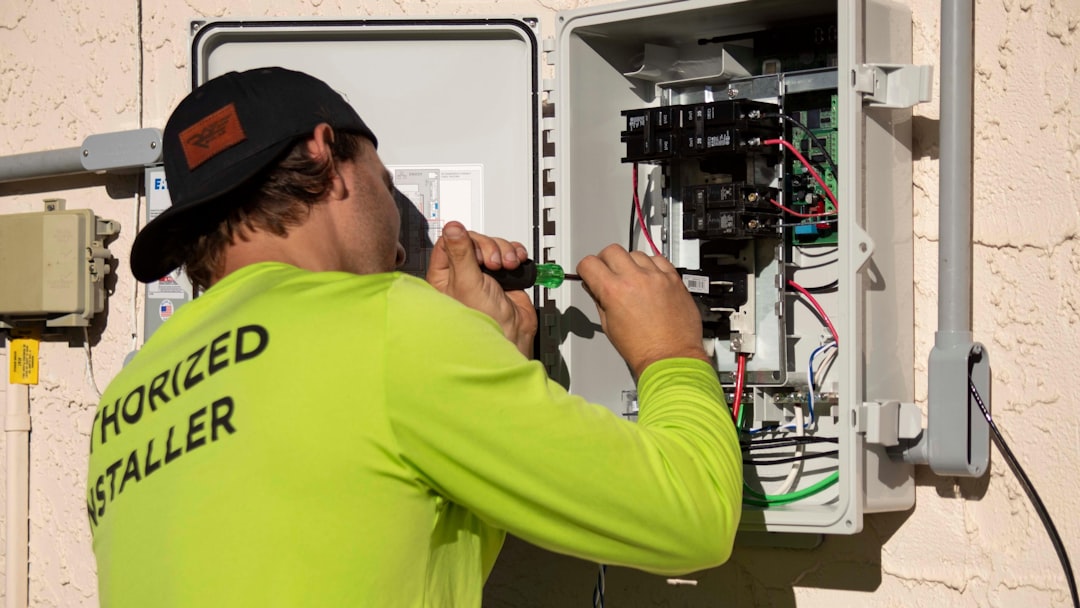
This step involves meeting with the client to discuss their energy needs, goals, and budget. A site assessment is performed to evaluate the location's suitability for solar installation, including factors like roof orientation, shading, and structural integrity.

Analyze the client's historical energy usage to determine the size and capacity of the solar system needed. This analysis helps in designing a system that meets the client's energy demands.

Design the solar system layout, including the placement of panels, inverters, and other components. Create engineering drawings and specifications to ensure the system will operate efficiently and safely.

Submit the necessary documentation to local authorities to obtain the required permits and approvals for the solar installation. This step ensures compliance with local regulations and building codes.

Order and procure the necessary materials and equipment for the solar installation, including solar panels, inverters, mounting systems, and electrical components.

The installation team sets up the solar panels and electrical systems according to the design specifications. This includes mounting the panels, connecting the inverters, and wiring the system to the electrical grid.

Test the solar system to ensure it is operating correctly and safely. This includes verifying electrical connections, checking system performance, and ensuring that all components are functioning as intended.

Conduct a final inspection to ensure the system complies with all regulations and standards. Obtain the necessary approvals from local authorities before the system is officially commissioned.

Set up monitoring systems to track the performance of the solar installation. Regular maintenance ensures the system continues to operate efficiently and effectively over its lifespan.